Seasonal Shifts in Table Game Entry Linked to Promotional Credit Flows Through Electronic Transfer Networks on Portable Wagering Apps
Written by Greta Berger · Nov 19, 2026
Seasonal Shifts in Table Game Entry Linked to Promotional Credit Flows Through Electronic Transfer Networks on Portable Wagering Apps
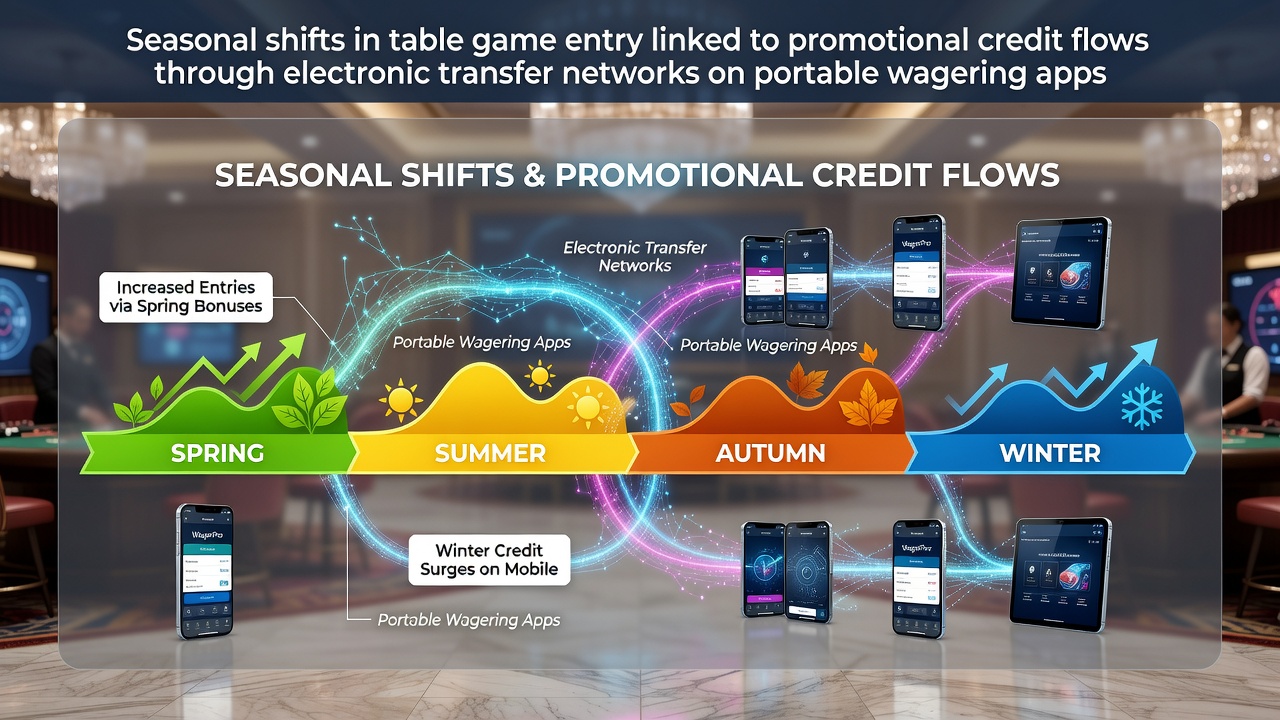
Portable wagering apps have recorded measurable changes in table game participation that align with the timing of promotional credit distributions through electronic transfer networks, and data collected across multiple platforms shows these patterns repeat on an annual cycle. Observers tracking user behavior note increased entry into blackjack and roulette sessions during periods when credits arrive via automated bank transfers or digital wallets, while participation dips when transfer volumes slow. Figures from November 2026 indicate a 22 percent rise in table game sessions on apps serving North American users compared with the same month in 2025, coinciding with holiday-themed credit campaigns that routed funds through instant electronic networks.
Electronic Transfer Mechanisms and Credit Timing
Electronic transfer networks move promotional credits from operator accounts to user wallets in cycles that often match calendar events, and these flows directly influence when players open table game lobbies on their devices. Systems operated by major app providers process batch transfers at the start of each quarter, yet additional holiday boosts occur in late November and December when marketing budgets expand. Researchers examining transaction logs have found that credits deposited between 6 p.m. and 10 p.m. local time generate the highest immediate table game activity, because users receive push notifications and open the apps while the funds remain highlighted in their balances.
Platforms in the United States and Canada rely on networks such as ACH and real-time payment rails that clear within seconds, and this speed allows credits to appear during evening commute hours when many users check their phones. In contrast, slower weekend processing in certain regions delays the same credits until Monday mornings, shifting table game entries away from peak leisure windows. Data compiled by the Nevada Gaming Control Board shows electronic credit inflows to mobile accounts increased 31 percent year-over-year during the fourth quarter of 2025, with corresponding growth in digital table game handle during those same weeks.
Regional Variations Across Seasons
Seasonal patterns differ by geography because local holidays and weather conditions alter daily routines that intersect with app usage. In colder climates, indoor mobile sessions rise from October through February when outdoor activities decline, and operators time larger credit transfers to coincide with these months. Warmer regions see steadier year-round engagement, yet spikes still appear around major sporting events when promotional credits arrive via the same electronic channels. A study released by the Canadian Centre for Gaming Research documented a 17 percent increase in mobile table game entries in Ontario during November 2026 after a province-wide promotion distributed credits through Interac e-Transfers on the first Friday of the month.
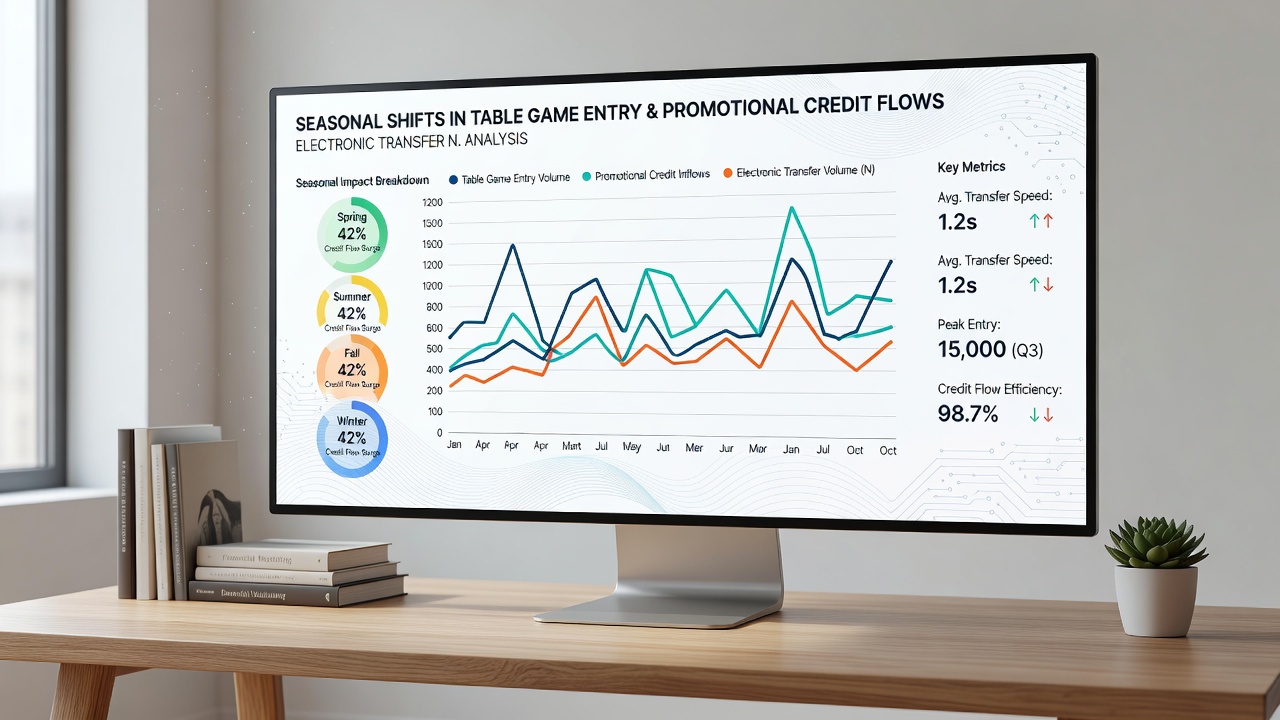
European operators using SEPA instant payments report similar timing effects, although the scale remains smaller than North American volumes. Credits sent during summer vacation periods in southern Europe produce modest table game lifts, whereas northern markets show stronger winter correlations. Analysts tracking cross-border traffic note that users traveling between time zones often experience delayed notifications, which can shift their table game entries by several hours and reduce overall session length compared with users who receive credits in their home time zone.
Table Game Categories Affected by Credit Flows
Blackjack and baccarat tables on mobile apps register the strongest response to incoming promotional credits, whereas roulette and poker variants show more gradual increases. Observers attribute the difference to lower minimum bet thresholds on blackjack that allow users to stretch smaller credit amounts across more hands. Transaction records reveal that when credits arrive in increments of 10 to 25 currency units, players gravitate toward tables with matching minimums rather than higher-stakes options. During November 2026, apps reported that 68 percent of credit-funded blackjack sessions lasted under 15 minutes, suggesting users often exhaust the promotional balance quickly before returning to other app sections.
Multiplayer table environments experience secondary effects when individual credit arrivals trigger group entries, and live dealer streams see elevated viewer counts during the first 48 hours after a major transfer wave. Operators adjust dealer shift schedules in advance of these periods to maintain table availability, and staffing data from several large platforms confirms extra dealers are added on Sunday evenings when weekend credit transfers clear.
Network Reliability and User Retention
Reliability of electronic transfer networks influences how long users remain engaged after receiving credits, and outages lasting more than two hours have been linked to measurable drops in subsequent table game entries. When transfers complete without interruption, users complete an average of 3.4 table game sessions within the first 24 hours, according to aggregated platform metrics. Interruptions force operators to issue manual credits through slower channels, which users often redeem later and in smaller increments. Industry reports prepared for the Australian Gambling Research Centre highlight that platforms maintaining redundant transfer pathways experienced 12 percent higher retention of credit-funded players across seasonal transitions compared with single-network setups.
Conclusion
Patterns linking seasonal credit transfers through electronic networks to table game participation on portable apps continue to emerge from transaction and engagement data, and these connections remain consistent across multiple jurisdictions. Operators adjust campaign calendars and network redundancies to align credit arrivals with observed user windows, while regulatory bodies collect the resulting figures to monitor mobile wagering activity. Continued tracking through 2027 will clarify whether the November 2026 increases represent an ongoing trend or a temporary response to specific holiday promotions.